U.S. Treasury Sanctions Human-Smuggling Network Spanning 4 Continents
The U.S. Treasury has initiated a major enforcement action against a human smuggling network with operations reportedly spread over four continents. According to officials, it is another move to formally recognize large-scale smuggling activities as national security issues.
On Thursday, the Treasury’s Office of Foreign Assets Control (OFAC) announced sanctions against the Bhardwaj Human Smuggling Organization (HSO). The list includes its alleged leader, Vikrant Bhardwaj, along with three key associates and sixteen linked entities.
These sanctions freeze any U.S. assets tied to the network and prohibit Americans from doing business with those involved.
A Sophisticated Web of Global Operations
According to Treasury officials, the Bhardwaj HSO built a highly organized smuggling route using yachts, marinas, hotels, and other commercial fronts. The network reportedly operated across Mexico, India, and the United Arab Emirates, allowing it to move thousands of migrants each year.
Migrants from Europe, Asia, the Middle East, and South America allegedly paid thousands of dollars to use the group’s system. Many were directed through a dangerous route known as the “Tapachula-Cancun-Mexicali corridor”, a stretch that led straight to the U.S. border.
Officials believe the organization may have even received assistance from members of the notorious Sinaloa Cartel. This collaboration helped strengthen its logistics and protection network, turning human smuggling into a transnational business enterprise.
Uncovering Financial Fronts and Criminal Links
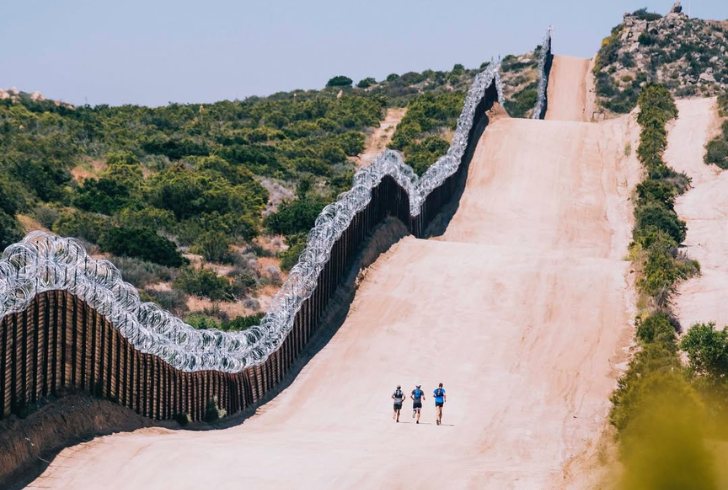
Instagram | @mikefootemt | Governments unite to block global smuggling routes and protect borders worldwide.
Investigators discovered an intricate web of shell companies tied to the Bhardwaj HSO. These included travel and tourism firms in Mexico, real estate and hospitality ventures in India and the UAE, as well as a Mexican supermarket chain suspected of hiding illegal profits.
Among the sanctioned associates, Jose German Valadez Flores and Jorge Alejandro Mendoza Villegas allegedly bribed officials at airports and ports to facilitate the clearance of smuggled individuals. Another sanctioned figure, Indu Rani, identified as Bhardwaj’s wife, reportedly oversaw much of the logistical coordination behind the operation.
In a statement to CBS News, Under Secretary for Terrorism and Financial Intelligence John K. Hurley said, “This coordinated action disrupts a network that put countless lives at risk for profit. The administration will continue dismantling criminal enterprises that value money over human safety.”
Sanctions as a Tool Against Transnational Crime
In recent years, the Treasury Department has used sanctions not just against terrorists or drug traffickers but also against human smuggling groups. The approach aims to cut off their access to global financial systems and expose the economic side of organized crime.
Previous cases include the 2023 sanctions on the Hernandez Salas network and later the Malas Mañas trafficking group, both accused of running human smuggling rings tied to cartel operations. These actions reflect a growing trend, treating human trafficking as a hybrid of organized crime and terrorism.
The Bhardwaj network now joins that list, with officials comparing its structure to drug cartels and even extremist organizations.
Tightening Financial Oversight
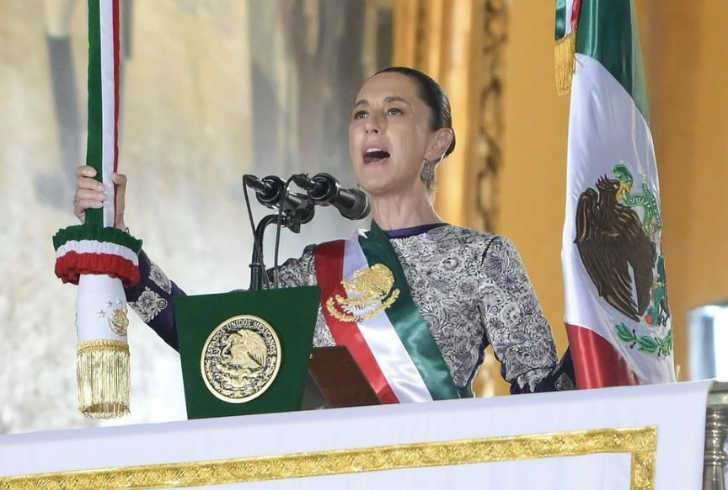
Instagram | timesnow | Mexico’s President demanded evidence from the U.S. Treasury about accusations linking banks.
To enhance enforcement, the Treasury’s Financial Crimes Enforcement Network (FinCEN) has urged U.S. banks to monitor transactions that signal bulk cash smuggling or repatriation related to Mexican criminal organizations. This measure helps authorities identify money laundering patterns that fund such operations.
However, Mexican officials have occasionally questioned the U.S. evidence behind certain sanctions. In 2025, for instance, Mexico’s President Claudia Sheinbaum demanded that the Treasury provide proof after U.S. authorities accused banks such as CiBanco, Intercam, and Vector Casa de Bolsa of handling cartel-linked funds.
This time, the sanctioning effort reportedly involved cooperation between the U.S. Treasury, Mexico’s financial intelligence unit (UIF), Homeland Security Investigations, and the Drug Enforcement Administration. The collaboration reflects growing international coordination against smuggling and financial crimes.
A Firm Message Against Global Trafficking
The Treasury’s latest decision is intended to send a blunt warning: the U.S. sees global trafficking groups as security threats, not niche criminal operations. By freezing assets and naming the organizations behind them, officials want to undermine the financial scaffolding that allows these networks to survive.
Each addition to the sanctions list shows how far the effort now reaches. It’s not just about intercepting smugglers on land or at sea—it’s about tracing money, scrutinizing business fronts, and working with other governments to break apart a system built on exploitation.