For decades, America’s alliances with democratic nations shaped global politics, trade, and security. These partnerships allowed nations such as Germany and Japan to rebuild and flourish while the United States strengthened its influence across Europe and Asia. Through these alliances, global stability improved, and economic cooperation expanded. However, recent policy shifts have disrupted these long-standing relationships, creating uncertainty for the future.
Redefining Global Alliances
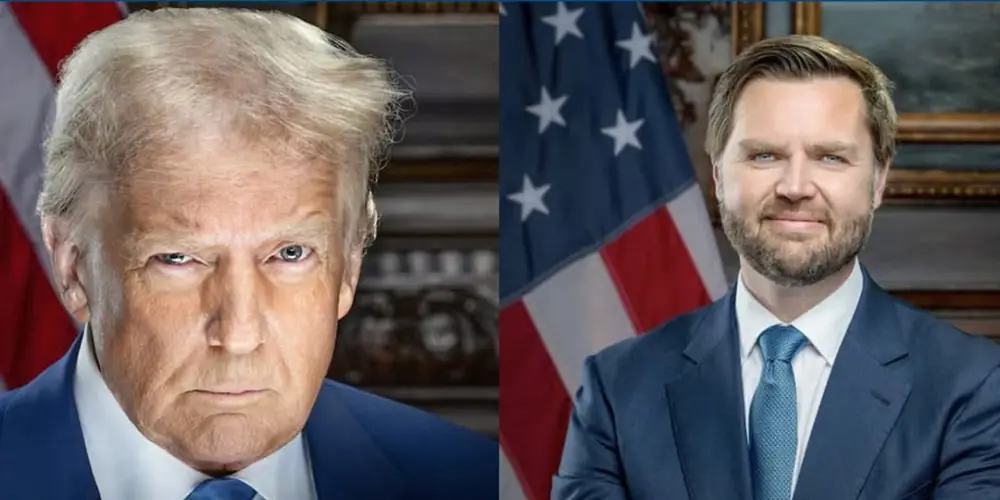
Recent developments indicate a shift away from traditional U.S. foreign policy. The Trump administration has openly questioned the financial burden of these alliances, arguing that they benefit other nations more than the U.S.
Historically, Trump has expressed skepticism about these agreements. In 1987, he publicly criticized the costs of U.S. support for Japan and other allies. By 2000, he proposed withdrawing from European commitments to reduce military spending.
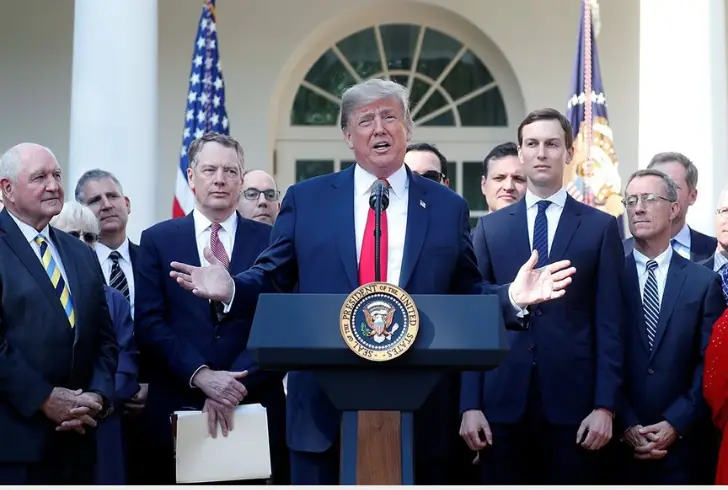
During his first term, advisors restrained him from taking drastic actions against allies. However, he has now assembled a team willing to redefine America’s role in international partnerships. This shift affects European leaders, who must now adjust their strategies to ensure their security and economic stability.
The Erosion of Diplomatic Relations
Tensions have increased through unexpected diplomatic confrontations. Recent events highlight how the United States’ interactions with its allies have changed.
1. The U.S. has challenged the sovereignty of Denmark, Canada, and Panama, creating friction.
2. At the Munich Security Conference, Vice President J.D. Vance ignored discussions on Russian threats. Instead, he accused European democracies of suppressing free speech, shifting focus away from pressing security concerns.
3. European officials, once confident in American support, now face uncertainty regarding their defense agreements and strategic planning.
This shift in priorities suggests that the U.S. may no longer prioritize European security as it once did.
Economic Implications for Ukraine
The Biden administration has presented a controversial proposal to Ukraine, demanding significant economic concessions. During a visit to Kyiv, U.S. Treasury Secretary Scott Bessent introduced an agreement that would give the United States control over 50% of Ukraine’s economic resources, including:
1. Mineral deposits
2. Oil and gas reserves
3. Key infrastructure, such as ports and transportation systems
This proposal excludes European nations despite their substantial contributions to Ukraine’s military and economic support. Ukraine, already suffering from devastation due to war, received no guarantees of security or investment in exchange for these resources.
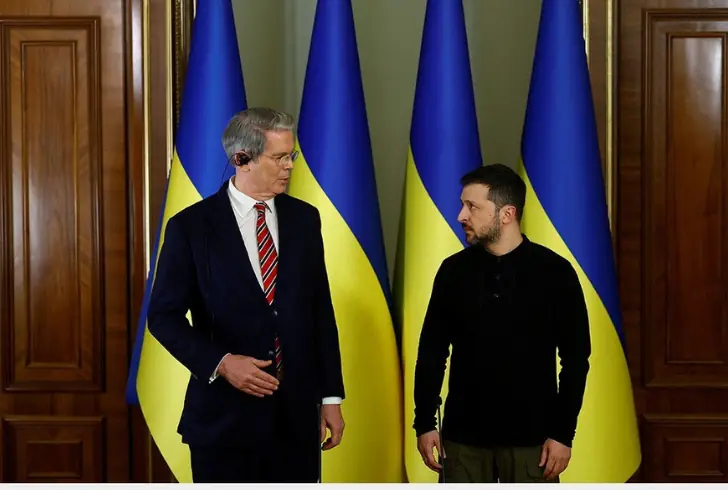
These terms resemble the Versailles Treaty, which imposed severe conditions on Germany after World War I. Unlike the post-World War II recovery plans for Germany and Japan, this agreement offers Ukraine no pathway to rebuild its economy or ensure long-term stability.
Strategic Uncertainty in Europe
Strategic uncertainty in Europe is becoming a growing concern as America shifts its approach to alliances, prioritizing financial contributions over shared security interests. This change means European nations must prepare for a future where U.S. support is conditional.
In response, some leaders may explore alternative defense partnerships to ensure their national security is not entirely dependent on the U.S. Others may focus on strengthening their independent military capabilities, reducing their reliance on American assistance.
Also, economic agreements are likely to shift, favoring nations that align more closely with America’s evolving policies. This new landscape requires European countries to rethink their long-term strategies in both defense and economic cooperation.
The Global Balance of Power is Changing
The world is entering a new phase of geopolitical strategy. The post-war alliances that once shaped international relations are now uncertain, and countries must redefine their roles in global politics and security.
As these changes unfold, nations will need to reassess their priorities, strengthen independent defense systems, and explore new partnerships. The future of global diplomacy and trade will depend on how leaders adapt to this evolving landscape.